North American Botanicals in Clean Skincare Why Shea Aloe Vitamin C and Goat Milk Work Better

Your skin can tell the difference between a formula that just feels “smooth” for ten minutes and one that actually supports the barrier all day.
That’s the real reason botanical skincare has so much staying power. Plant oils, butters, juices, vitamins, and milk-based soap ingredients bring more than one benefit at a time. They can soften, soothe, protect, cleanse gently, and help skin look brighter without relying on a long list of synthetic fillers.
A quick note before we get into it: not every ingredient below is native to North America. Shea, for example, comes from the African shea tree, and olive oil has Mediterranean roots. But these ingredients are widely used in North American clean beauty because they fit the values many Canadian shoppers care about: simple formulas, recognizable sources, barrier-friendly care, and fewer unnecessary additives.
That’s where Canadian botanical skincare gets interesting. It’s not just about using “natural” as a label. It’s about choosing ingredients with real skin benefits and formulating them in a way that makes sense.

Clean skincare works best when it respects the skin barrier
The outer layer of skin, the stratum corneum, is often compared to a brick wall. Skin cells are the “bricks,” and lipids are the “mortar.” When that barrier is healthy, skin holds water better, feels calmer, and looks smoother.
A lot of synthetic-heavy formulas focus on one job at a time. They may foam strongly, create a silky slip, or add a temporary coating. Some do that well. Synthetic doesn’t automatically mean bad, and natural doesn’t automatically mean gentle.
The difference is that many botanical ingredients carry a built-in mix of fatty acids, antioxidants, vitamins, sugars, and soothing compounds. That natural complexity can make them especially useful in everyday skincare.
Botanical ingredients often support skin by helping with:
Moisture retention
Barrier comfort
Antioxidant protection
Gentle cleansing
A softer look and feel
Reduced tightness after washing
The best results still come from good formulation. A beautiful ingredient can be wasted in the wrong pH, the wrong concentration, or a product that doesn’t suit the skin type. But when done well, these ingredients can beat synthetic shortcuts because they work with the skin instead of just sitting on top of it.

Shea brings deep comfort without feeling complicated
Shea butter is one of those ingredients that earns its reputation. It’s rich, creamy, and packed with skin-friendly lipids, especially stearic and oleic fatty acids. These fatty acids help soften roughness and reduce the feeling of dryness.
Shea also contains unsaponifiables, which are parts of the butter that don’t turn into soap during soapmaking. These include naturally occurring compounds such as triterpenes and phytosterols. Research on shea butter has looked at its emollient and soothing properties, and it’s commonly used in products made for dry, stressed, or weather-exposed skin.
For Canadian skin, that matters. Cold air, indoor heat, wind, and frequent handwashing can all leave the barrier feeling stripped. Shea helps create a cushion of comfort.
Compared with a basic synthetic occlusive, shea does more than reduce water loss. It brings emollience, texture, and naturally occurring plant compounds in one ingredient.
Best uses for shea in clean skincare:
Face creams for dry or mature-looking skin
Body butters and balms
Lip care
Gentle soaps
Hand creams for winter dryness
If skin is very oily or congestion-prone, heavy shea formulas may feel like too much. That doesn’t make shea bad. It just means texture and concentration matter.
Aloe is the calm, water-rich botanical skin loves
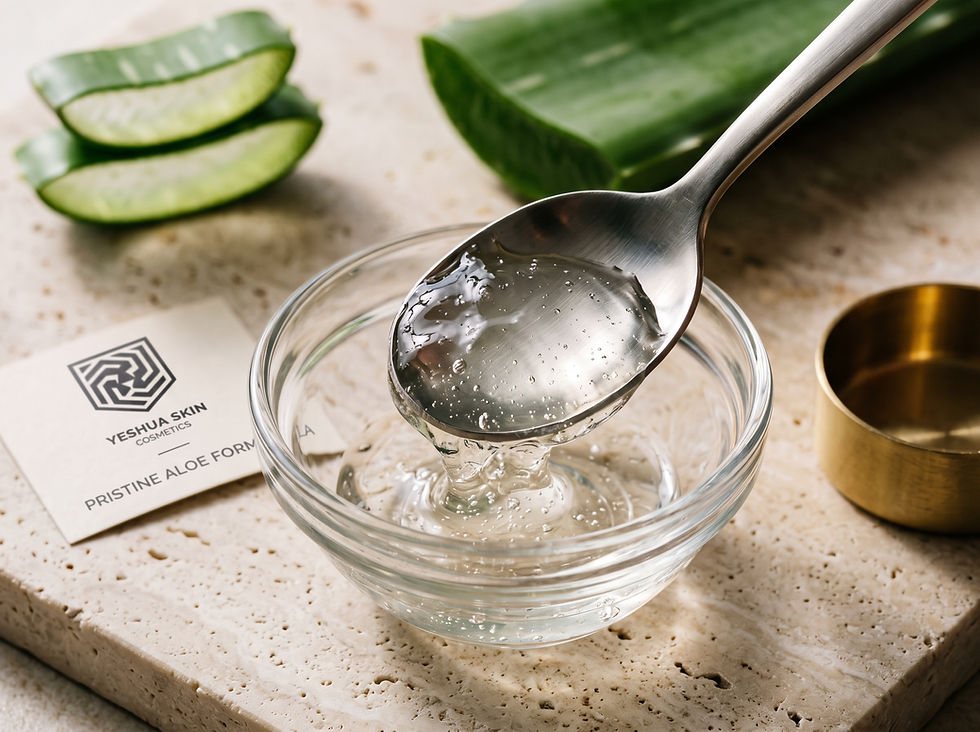
Aloe vera is famous for soothing sun-warmed skin, but it’s useful beyond summer. Aloe gel is mostly water, but the magic is in its polysaccharides, including acemannan. These sugar-like molecules help give aloe its cushiony, hydrating feel.
Aloe is often used in skincare because it feels light, absorbs easily, and pairs well with hydrating ingredients. Studies have explored aloe’s moisturizing and calming effects, especially in topical use. It’s not a cure-all, but it’s a strong choice when skin feels tight, flushed, or irritated by over-cleansing.
Synthetic humectants can pull water into the skin, and some do that very well. Aloe adds a more rounded experience. It hydrates while also bringing naturally occurring amino acids, minerals, and plant compounds.
Aloe works especially well in:
Gel cleansers
Light moisturizers
Hydrating serums
After-sun care
Sensitive-skin routines
In a cleanser, aloe helps reduce that squeaky-clean feeling. That squeak is not a good sign. It usually means the cleanser has removed too much oil. A cleanser with aloe can leave skin feeling clean but not punished.
Vitamin C helps brighten and defend against daily stress
Vitamin C is one of the most researched ingredients in skincare. It’s known for antioxidant support, helping protect the look of skin from environmental stress caused by pollution and UV exposure. It also plays a role in collagen synthesis in the body, which is one reason it’s so popular in brightening and firming routines.
In skincare, vitamin C can help improve the appearance of dullness and uneven tone. It works by helping reduce the look of oxidation-related damage on the skin’s surface and supporting a more radiant look over time.
Here’s where formulation matters a lot. Pure ascorbic acid is powerful but unstable. It can oxidize when exposed to light, air, and heat. Some vitamin C derivatives are more stable and gentler, though they may work differently in skin.

Botanical sources of vitamin C, like citrus and berry extracts, often bring companion antioxidants such as flavonoids. These don’t replace a well-formulated vitamin C active, but they can support the overall antioxidant profile of a serum.
Vitamin C tends to outperform basic synthetic brighteners when the goal is broader skin support. It doesn’t just make skin look temporarily glowy. In a good serum, it can support brighter-looking, more even-looking skin over time.
Use vitamin C in the morning if your skin tolerates it, followed by sunscreen. Antioxidants and sunscreen make a smart pair.
Vitamin E is the quiet protector in a strong formula
Vitamin E, often listed as tocopherol, is oil-soluble. That means it fits beautifully into facial oils, creams, balms, and richer serums. It helps protect oils in a formula from oxidation, and it also supports the skin’s lipid barrier.
One of the best-known skincare pairings is vitamin C plus vitamin E. Research has often discussed how these antioxidants can work together, with vitamin E helping defend lipid areas and vitamin C supporting the water-based antioxidant side. In plain language, they make a strong team.
Vitamin E is especially helpful when a formula includes plant oils, because it can help keep those oils fresher for longer. On skin, it adds comfort, softness, and antioxidant support.
Compared with synthetic fragrance, fillers, or texture agents added only to make a product feel expensive, vitamin E actually earns its place. It has a job. It protects the formula and supports the skin.
Look for vitamin E in:
Antioxidant serums
Face oils
Moisturizers
Cleansing balms
Body oils
A little goes a long way. Too much can feel heavy, especially on oily skin.
Olive oil adds nourishment, but balance is everything
Olive oil is rich in oleic acid, squalene, and polyphenols. Those compounds help explain why it’s long been used in traditional skin and body care. It feels silky, gives a gorgeous slip, and helps soften dry patches.
That said, olive oil is a good example of why “natural” still needs smart formulation. Oleic acid can be wonderful for dry, rough skin, but high-oleic oils may feel too heavy for some faces. Used alone, olive oil may not suit every compromised barrier.
In a balanced cleanser, soap, balm, or body product, olive oil can be beautiful. It helps dissolve oil-based impurities and leaves skin feeling conditioned. In soapmaking, olive oil contributes to a milder, creamier cleanse compared with harsh detergent-style washing.
Olive oil can outperform synthetic slip agents because it brings fatty acids and antioxidants along with that elegant feel. It’s not just there to make a product glide. It contributes to the skin feel after rinsing or application.
Best places for olive oil:
Cleansing oils and balms
Handmade soaps
Body oils
Dry-skin creams
Cuticle and hand care
If a face product with olive oil feels too rich, use it on the body, hands, or dry areas instead. Skin care should feel good after an hour, not just at the first swipe.

Goat milk soap cleanses without that stripped feeling
Goat milk in soap has a loyal following for a reason. It contains fats, proteins, sugars, minerals, and naturally occurring lactic acid. Lactic acid is an alpha hydroxy acid, also called an AHA, known for gentle exfoliating and hydrating properties in skincare.
In soap, goat milk contributes creaminess and a softer wash feel. The fats help condition the skin, while the milk sugars can support a more comfortable cleanse. For people who hate that dry, tight feeling after washing, goat milk soap can feel like a relief.
This is where natural ingredients can really beat synthetic alternatives. A harsh synthetic cleanser may create huge foam and leave skin feeling “extra clean,” but that can come from stripping too much oil. Goat milk soap, when well made and properly cured, can cleanse in a gentler-feeling way.
That said, soap is still soap, and traditional soap has a higher pH than skin. If facial skin is sensitive or reactive, a pH-balanced cleanser may be a better daily choice. Goat milk soap often shines for hands and body, especially when skin feels dry.
A good goat milk soap should feel:
Creamy
Mild
Non-squeaky
Conditioning
Comfortable after rinsing
If it leaves skin tight, the formula may be too cleansing, or it may not match your skin’s needs.
Why natural can outperform synthetic when the formula is done right
The strongest argument for botanicals isn’t fear. It’s function.
Synthetic ingredients can be safe, stable, and useful. Many clean formulas still use some lab-made ingredients for preservation, texture, or safety. That’s a good thing when it helps prevent contamination or keeps a formula stable.
The problem comes when synthetic-heavy products rely on shortcuts. A formula might feel silky because of film formers, smell appealing because of fragrance, or foam like crazy because of strong surfactants. None of those automatically means your skin is getting what it needs.
Natural ingredients often win because they bring multiple benefits in one source.
Botanical ingredient | What it naturally offers | Why skin tends to like it |
Shea | Fatty acids, emollients, plant compounds | Comforts dryness and supports the barrier feel |
Aloe | Water, polysaccharides, amino acids | Hydrates lightly and soothes the feel of stressed skin |
Vitamin C | Antioxidant activity | Helps brighten the look of uneven, dull skin |
Vitamin E | Oil-soluble antioxidant support | Helps protect oils and supports softness |
Olive oil | Oleic acid, squalene, polyphenols | Conditions dry skin and improves slip |
Goat milk | Fats, sugars, proteins, lactic acid | Creates a creamy, gentle-feeling cleanse |
The key is synergy. Vitamin C and vitamin E work well together. Aloe can make an active serum feel more comfortable. Shea and olive oil can make cleansers and soaps feel less drying. Goat milk adds creaminess that synthetic detergents often try to imitate.
A natural formula isn’t better because it has fewer syllables on the label. It’s better when the ingredients serve the skin.
How to choose botanical skincare that actually works
A pretty ingredient list doesn’t guarantee results. Look for formulas that make sense from top to bottom.
Here’s what to check:
The ingredient appears high enough to matter
If aloe is listed after fragrance or colour, it may be there more for label appeal than skin benefit.
The product type matches the ingredient
Vitamin C belongs in a serum or treatment. Shea belongs in creams, balms, soaps, or richer cleansers. Goat milk makes sense in soap.
The packaging protects the formula
Antioxidants like vitamin C and plant oils do better in packaging that limits air and light exposure.
The formula feels good after rinsing or wearing
Your skin shouldn’t feel tight, itchy, greasy, or coated. Comfort matters.
The scent is gentle
Natural essential oils can still irritate some skin. Fragrance-free or lightly scented formulas are often better for reactive skin.
And yes, patch testing is still smart. Natural ingredients are active in their own way, and sensitive skin can react to almost anything.

The best clean skincare feels simple for a reason
The beauty of shea, aloe, vitamins C and E, olive oil, and goat milk is that they don’t need much hype. They’ve lasted in skincare because they solve real problems: dryness, dullness, tightness, rough texture, and that over-washed feeling.
They also remind us that clean skincare isn’t about chasing the most complicated routine. It’s about choosing formulas that support the skin barrier, bring useful nutrients, and skip the extras that don’t add much.
If you’re building a routine around these ingredients, keep it simple:
Use a gentle cleanser that doesn’t leave skin tight.
Add a vitamin C serum for brightness and antioxidant support.
Choose aloe when skin needs calm hydration.
Use vitamin E and shea-rich products when skin feels dry.
Reach for goat milk soap for a creamy body cleanse.
Let olive oil shine in balanced cleansers, soaps, and body care.
Ready to try clean formulas built around these kinds of ingredients? Explore the serums, cleansers, and skincare essentials here: shop botanical skincare in CAD.
Natural skincare works best when it’s thoughtful. When each ingredient has a purpose, the whole routine feels better on the skin, not just cleaner on the label.


Comments